Marie-Madeleine Forcade
Alias: Hedgehog
Born: 1909
Marseille, France
Parents: Mathilde & Lucien Bridou
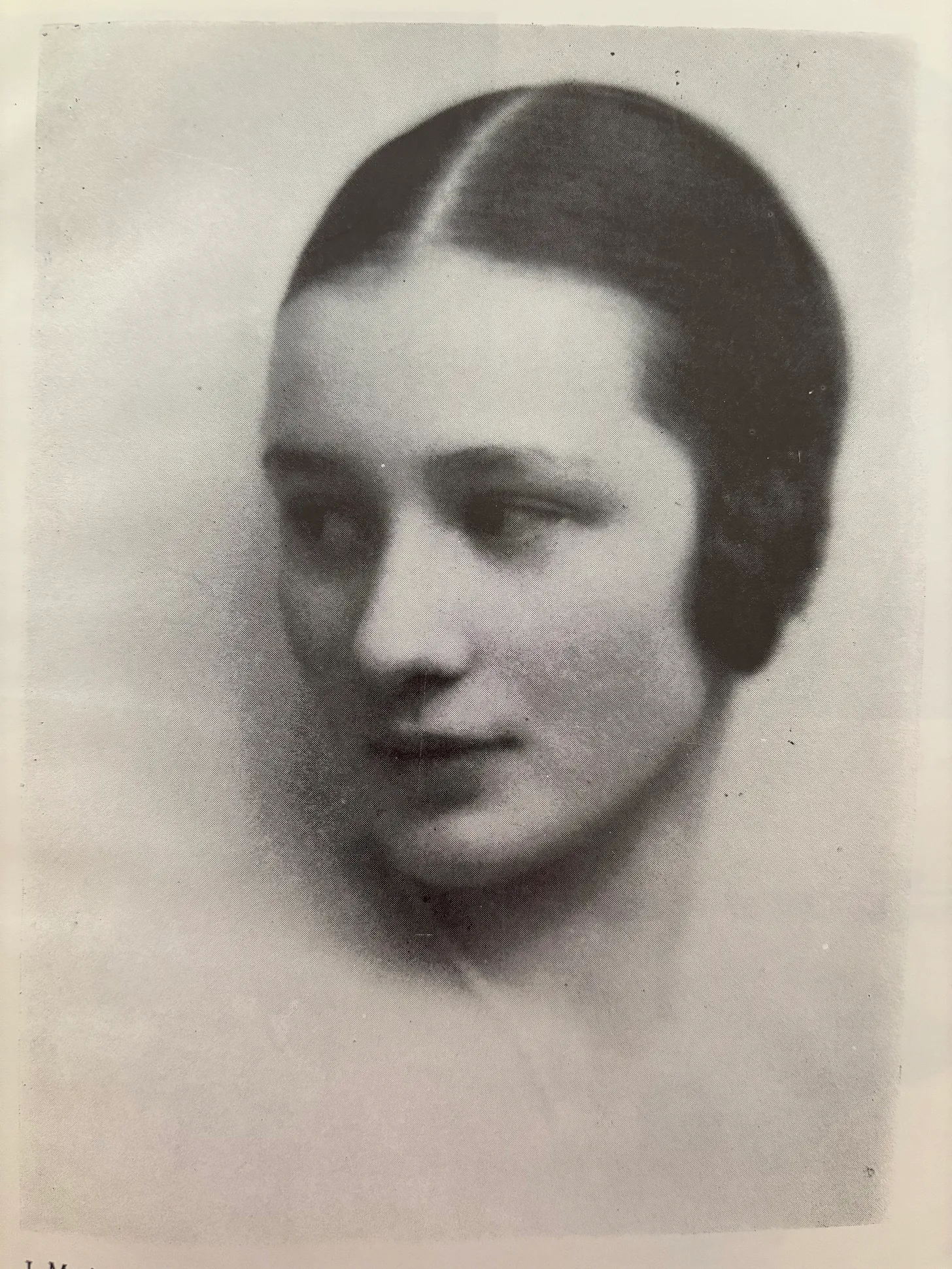
Marie-Madeleine Forcade was born into relative comfort but would find herself evading arrest and escaping capture throughout the war, always one step ahead of torture or death at the hands of the Gestapo.
Marie-Madelein spent her early years in Shanghai, China. Fourcade’s father was a shipping line executive for the route between France and Shanghai, but in 1917 tragedy struck when her father died of an illness. Madame Forcade and her familly moved back to Paris when Forcade was 17 years old with aspirations of becoming a concert pianist. She fell in love with an older man, however, and was married shortly thereafter. Her husband was in the army, stationed in Morroco where Forcade lived for a while, until they separated in 1933. Forcade moved back to Paris with her two children to be closer to family and friends. She embodied the idea of the “new woman” of post WWI France. Her free spirit inspired her to buy a rally car, acquire her pilots license, and obtain a job. One could argue she had a natural disposition to intelligence work in German occupied France because of her love of adventure.
Georges Loustaunau-Lacau (1894-1955)
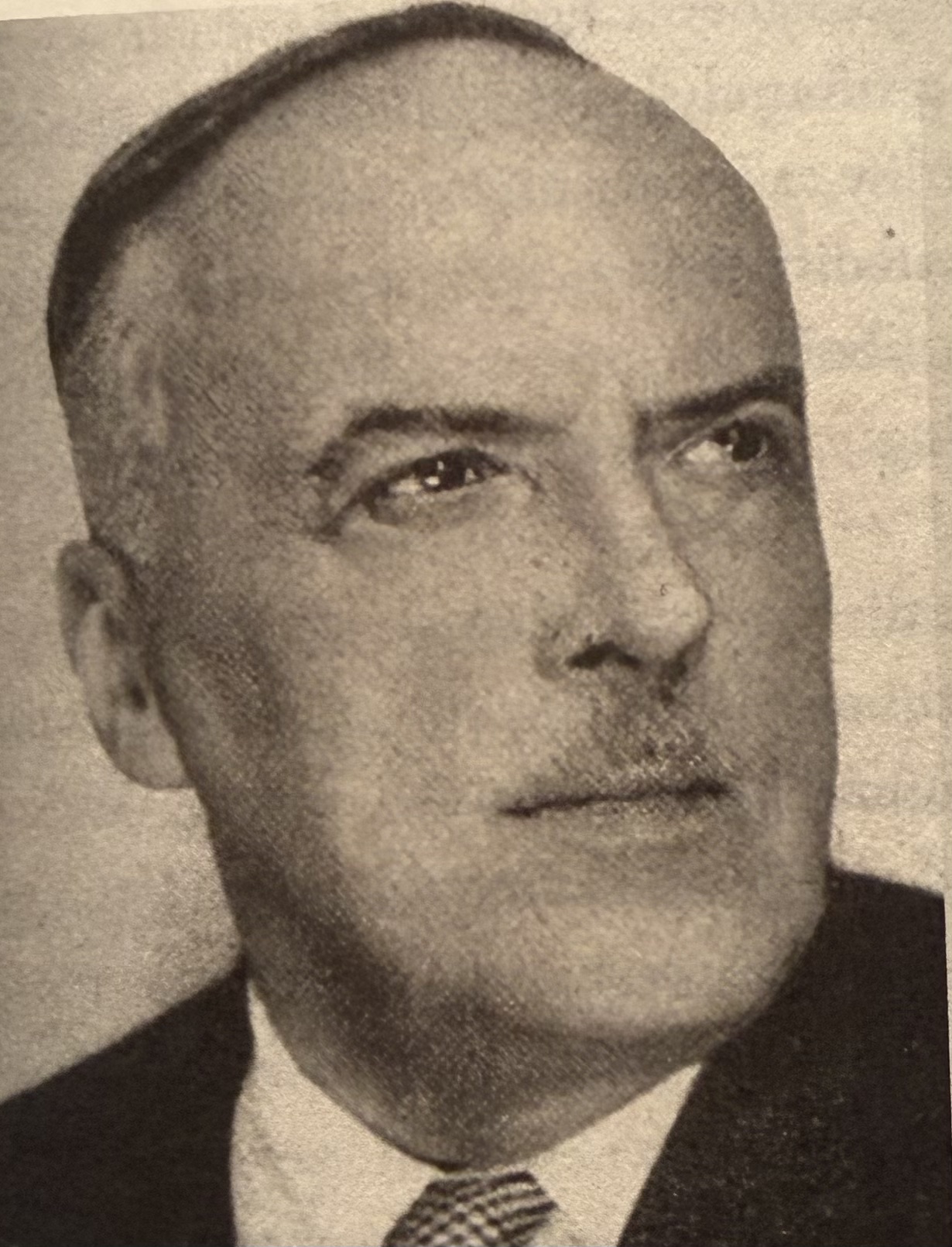
Georges Loustanau Lacau was a product of France’s foremost military academy Saint-Cyr, and the École Supérieure de Guerre, France’s graduate war college. He was also a veteran of World War I and served under Marshal Philippe Pétain, who was later the Head of State of the Vichy Government. Lacau was considered a conservative who was equally as suspicious of communists, which demonstrates the diverse spectrum of antifascist operatives in France.
Georges Loustaunau-Lacau’s alias was Navarre, Madame Fourcade would refer to him by his code name for the rest of her life. Lacau was the man who introduced Forcade to the intelligence world, starting her out as a courier. A rival of Charles de Gaulle and a veteran of World War 1. He was a conservative, who was suspicious of communists but felt fascists represented the greater threat. Early into the German occupation of France he worked for Marshall Pétain’s Vichy government for a short period.
Captured by Vichy police as well as German troops he managed to escape multiple times, but was eventually apprehended and imprisoned at the Mauthausen concentration camp in Austria. He survived the war, weighing less than one hundred pounds when the allies liberated his camp. Navarre died in 1955, eight days after being promoted to brigadier general.
On May 14, 1940 Nazi Germany manuevered through the Ardenne’s forrest in Belgium and breached weak French defenses at the north end of the Maginot defensive line. By June 25, Marshall Pétain announced an armistice with Germany dividing France in two, an occupied (northern France) and a freezone (southern France).
Great Brittain’s intelligence agency MI 6 began searching for intelligence operatives inside France after Germany’s invasion. They reached out to Lacau and his organization and formed a partnership that would last the rest of the war. Upon agreeing to work together the two organizations formed what would be known as the Alliance network which would boast 3,000 intelligence agents across France throughout the war. Lacau would eventually be arrested and imprisoned for the entirety of the war leaving Marie-Madeleine Forcade head of the network at 31 years old.
Great Britain’s Dire Straits
The Fall of France had dire effects for Great Britain as it became isolated from its trading partners by German submarines. Admiral Karl Dönitz quickly moved his fleet of submarines to ports along France’s northern Atlantic coast. The port cities of Saint-Nazaire, Brest, & Bordeaux soon were host to Germany’s "gray wolf" submarine fleet.
The last six months of 1940, Dönitz’s fleet sunk 500 merchant ships and 2.5 million tons of cargo, crippling Englands economy. Without access to fuel oil, copper, lead, rubber, iron, ore, nickel, zinc, and aluminum, Great Britain’s economy and military would be unable to function.
In addition to the lack of material goods, Great Britain suffered food shortages and had to begin rationing food, because seventy percent of the island nation’s food products were imported. Constant air bombing campaigns on major cities was steadily battering Great Britain into submission. Lacau agreed to provide MI 6 with intelligence about all of the ports and submarine activity that they could acquire. In honor of their agreement Lacau’s organization which was known as the Crusade, was renamed the Alliance in honor of the pact.
Code Name “Shrimp”
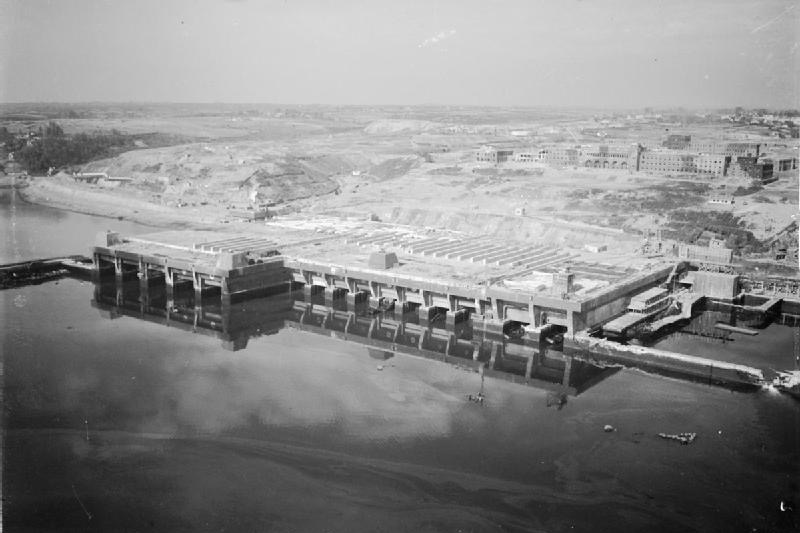
U-boat bunker at Brest, France.
Despite having agents throughout France, including the German occupied zone, intelligence teams in and around the submarine ports housing German submarines began sharing intelligence with MI 6 that would clear the path in the English channel allowing for the allies to plan a mainland invasion of France. These agents also provided intelligence about Germany’s Atlantic Wall defenses identifying fortified defensive positions and even creating a 55’ map that was crucial in planning the D-Day amphibious landings in June of 1944.
Alliance’s intelligence group in the city of La Rochelle, under the leadership of Philippe Koenigswerther, provided intelligence that prompted what can be argued one of the most dangerous British commando raids of the war, named Operation Frankton. This same group also relied on a crane operator whose view allowed him to watch German subs entering and leaving port. This information was relayed to MI 6 who passed the information on. One day in August of 1943, the crane operator reported five subs departing from the base, only to be sunk later in the Bay of Biscay by the Royal Air Force.
At the port city of Brest on the peninsula of Brittany along France’s west Atlantic coast, a seamstress code named Shrimp would repair life vests for submariners and listen to their conversations. She learned arrival and departure dates of the submarines in port and was responsible for several of them being sunk by the RAF. Despite trying to, it was virtually impossible for the Germans to hide all of their secrets from traveling beyond the port cities.
Noah’s Ark
In November of 1942, Madame Forcade escaped capture by supportive Vichy police, who were being supervised by German intelligence. While trying to evade capture she left a list of agent names at the house of sympathizers who later turned the list into authories. Forcade renamed her agents after animals prompting German intelligence to name her network "Noah’s Ark."
As head of the Alliance or Noah’s Ark, Forcade recruited women because they were good couriers and could often obviate scrutiny. At the beginning of her career, Lacau told her that her gender would be a strength because she would not be suspected. Forcade chose the alias Hedgehog because she said despite looking rather harmless, when balled up in a defensive positiont, that a lion a would hesitate to try to swallow it.
Notable Female Agents:
- Jeannie Rouseau: Provided crucial intelligence about German V1 and V2 rocket programs
- Jeanne Berthomier: A high-level official in the Ministry of Public Works in Paris
- Monique Bontinck: Forcade’s personal courier and fearless antifascist who took on daring missions without Forcade’s knowledge
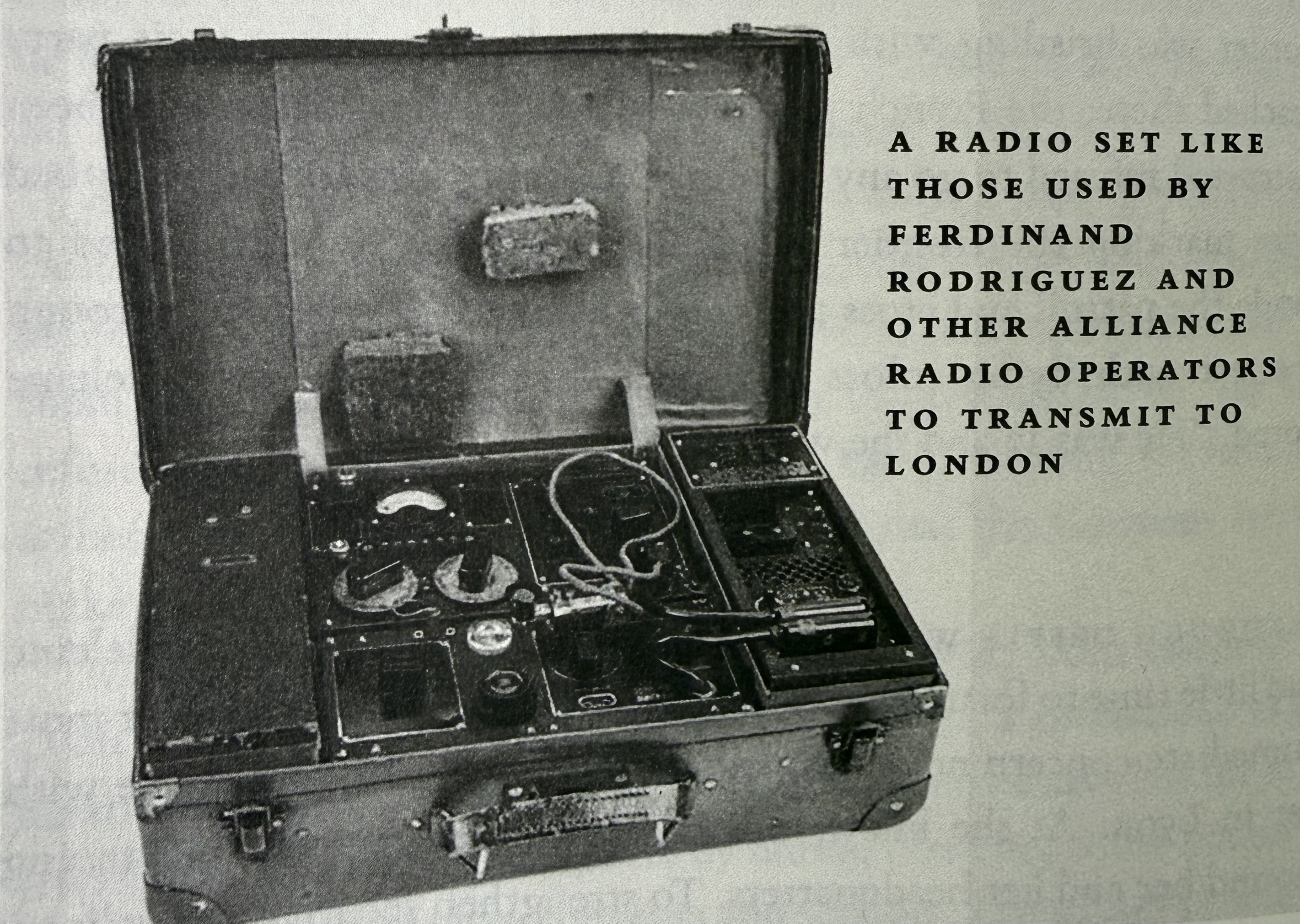
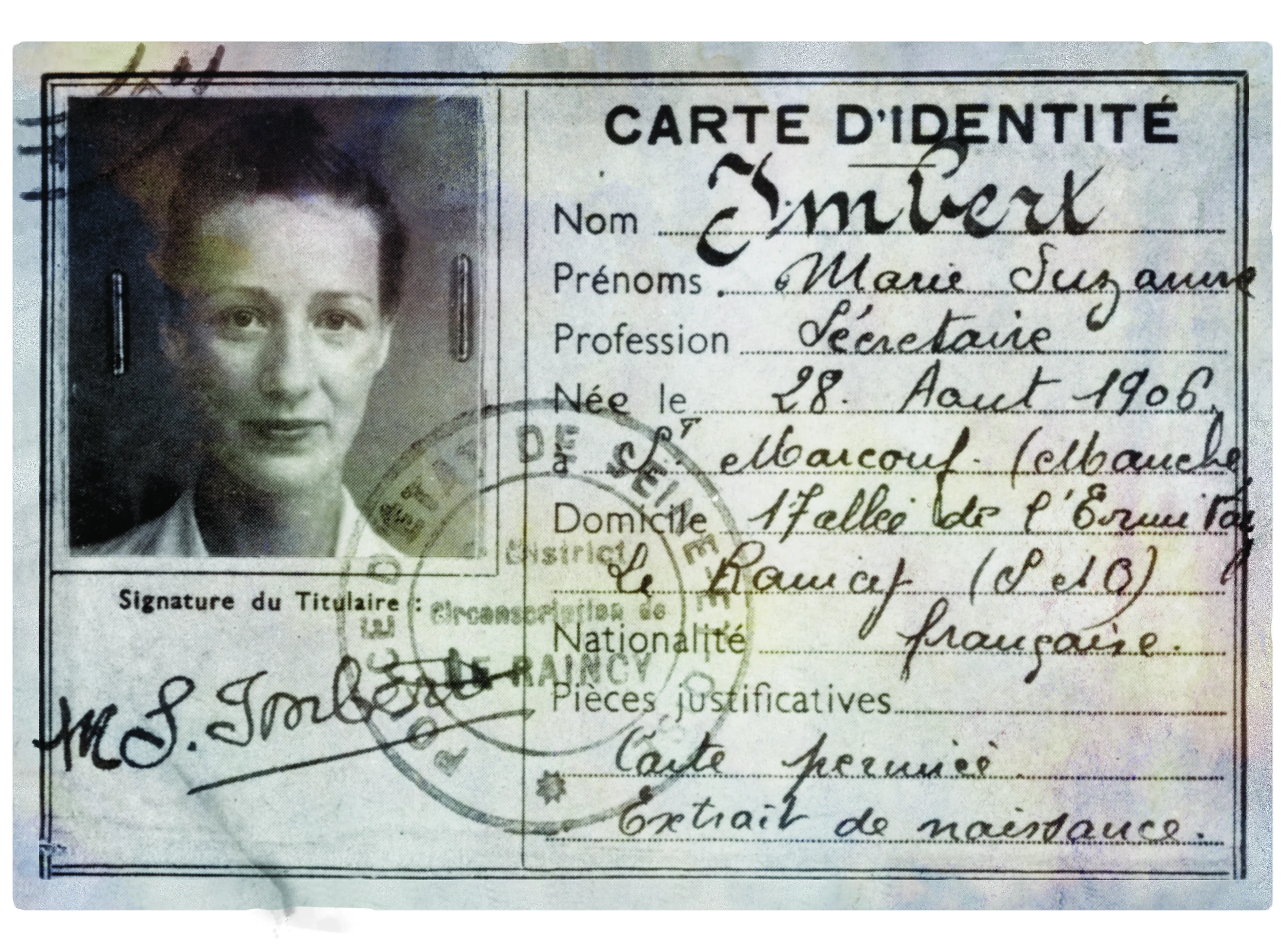
The carousel below shows Jeannie Rousseau, one of Forcade’s fake id’s, and a transmitter similar to the style that the Alliance used:
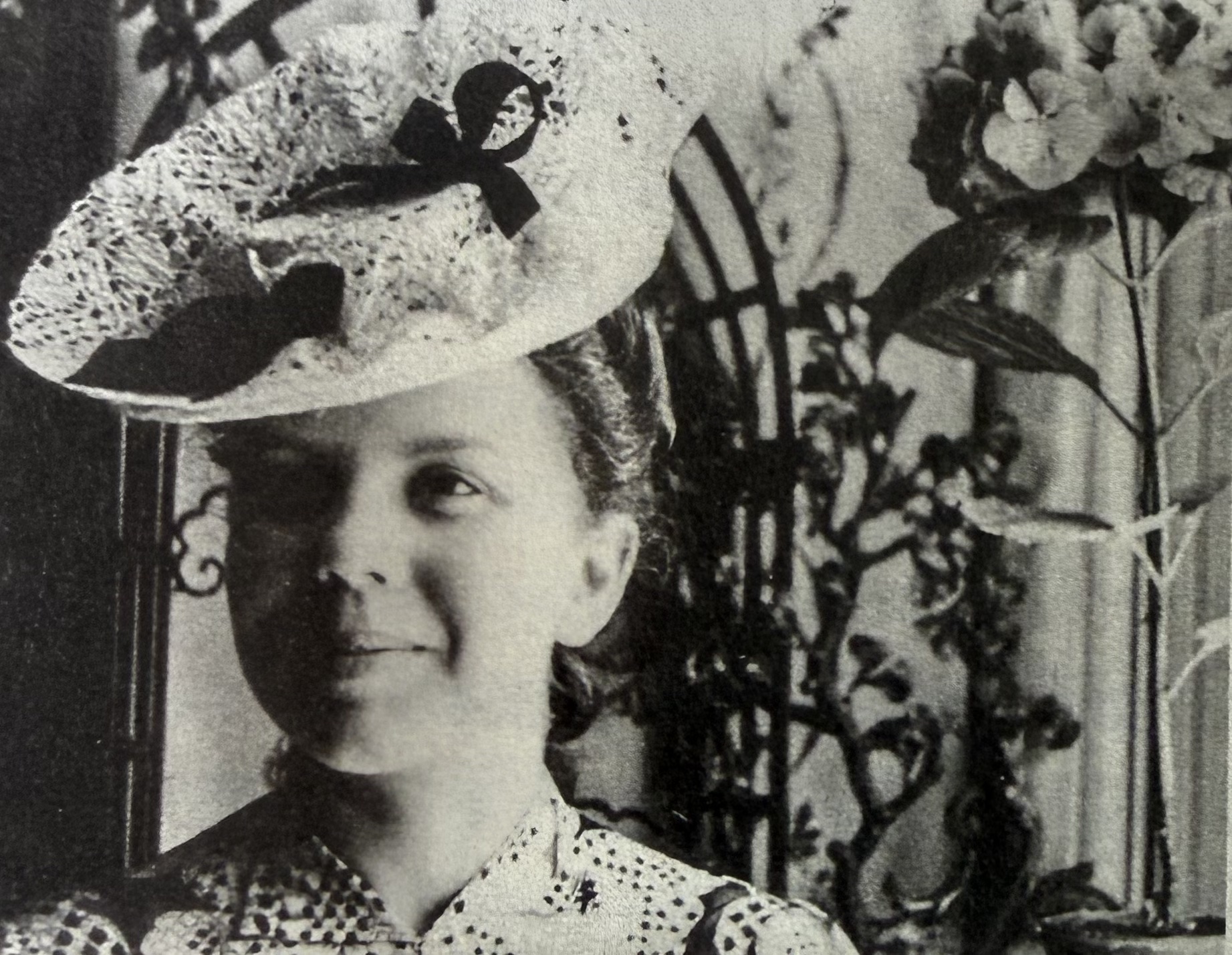
Jeannie Rousseau
Jeannie Rousseau was twenty years old when the war started, despite her age, she was able to get a job working with German officers because of her ability to speak German fluently. Rousseau’s wit and charm disarmed many German officers and their wives, allowing her to extract valuable information from them.
Rousseau used wit and charm to trick the Germans into revealing their secrets. In one of her encounters she coaxed an officer into revealing plans and the location of a missile site in Peenemünde, Germany. In fact, the German’s were developing the V1 pilotless jet aircraft equipped with bombs and the V2 missles, the worlds first long range ballistic missile system at the site. Rousseau with little understanding of the drawings was able to recreate them later, because in addition to speaking five languages, she also had a photographic memory. Rousseau’s intellegince inspired Britain’s prime minister, Winston Churchill to bomb Peenemünde thereby setting the German missle program back by months. Rousseau’s intelligence is considered some of the finest intelligence gathering work of World War II. Had the German’s been able to develop their V1 and V2 missile programs before the Allied invasion, there is no certainty the Allies would have succeeded in their amphibious assault on the beaches of Normandy.
Hedgehog’s Legacy of Non-Violent Resistance
Marie-Madeleine Fourcade would spend the rest of her life advocating for the families of agents who gave their lives to the cause of antifascism. Her story provides a glimpse into the diverse nature of antifascist activism during the interwar period in France. She is a living testament to the fact that women contributed in a myriad of ways to resistance efforts toward Fascist elements and regimes within and outside their nations. Most of these women’s stories have been ignored and lay dormant for decades; until recently historians have begun to explore the contributions of women resisting the fascist movements that defined their era.
Madame Forcade’s chosen method of resistance was nonviolence, despite the means by which she resisted, the damage her organization inflicted on the German imperial project went far beyond killing enemy combatants in hand-to-hand combat. Her organization demoralized entire German military weapons testing and development bases, crippled German submarine fleets in the Atlantic, and coordinated with allies for conducting and succeeding in executing one of the largest amphibious assault landing operations in the history of war. Forcade’s story highlights the effectiveness of nonviolent resistance.
She died on July 20, 1989, she was the first woman to be given a funeral at Les Invalides, an honor given to French heroes.
**Olson, Lynne. Madam Fourcade’s Secret War: The Daring Young Woman Who Led France’s Largest Spy Network Against Hitler. New York: Random House, 2019.