Marion Phillippina Pritchard
In May of 1940, Germany invaded the Netherlands. And in July of 1942, mass deportations of Dutch Jews to concentration camps in Poland began. Twenty-two year old Marion Phillipina Pritchard was studying to become a social worker at the time, but, enraged by the Nazi party, quickly joined the Dutch resistance, primarily to aid young children. As an associate of the underground, she saved approximately 150 Dutch Jews, most of whom were children, establishing herself as an antifascist and protector of innocents. In a world where the narrative of cynical nonaction prevails, her story serves as a reminder that for many who live adjacent to injustice, resistance is defined by proactive determination.
Early Life
Now Marion Pritchard, was born Marion van Binsbergen in November 1920 in Amsterdam to vehemently anti-Nazi parents. From the beginning she had opposed the Nazi regime, but was eventually encouraged to take action when she bore witness to Nazi soldiers violently rounding up Jewish children for deportation. The preceding year, Pritchard, only nineteen, had spent six months in prison for illegally listening to the BBC at a peers house. However, it wasn’t until she was released and bore witness to the abduction of small children off the streets where she grew up that she decided to take action. “I was shocked and in tears, and after that I knew my rescue work was more important than anything else I might be doing”
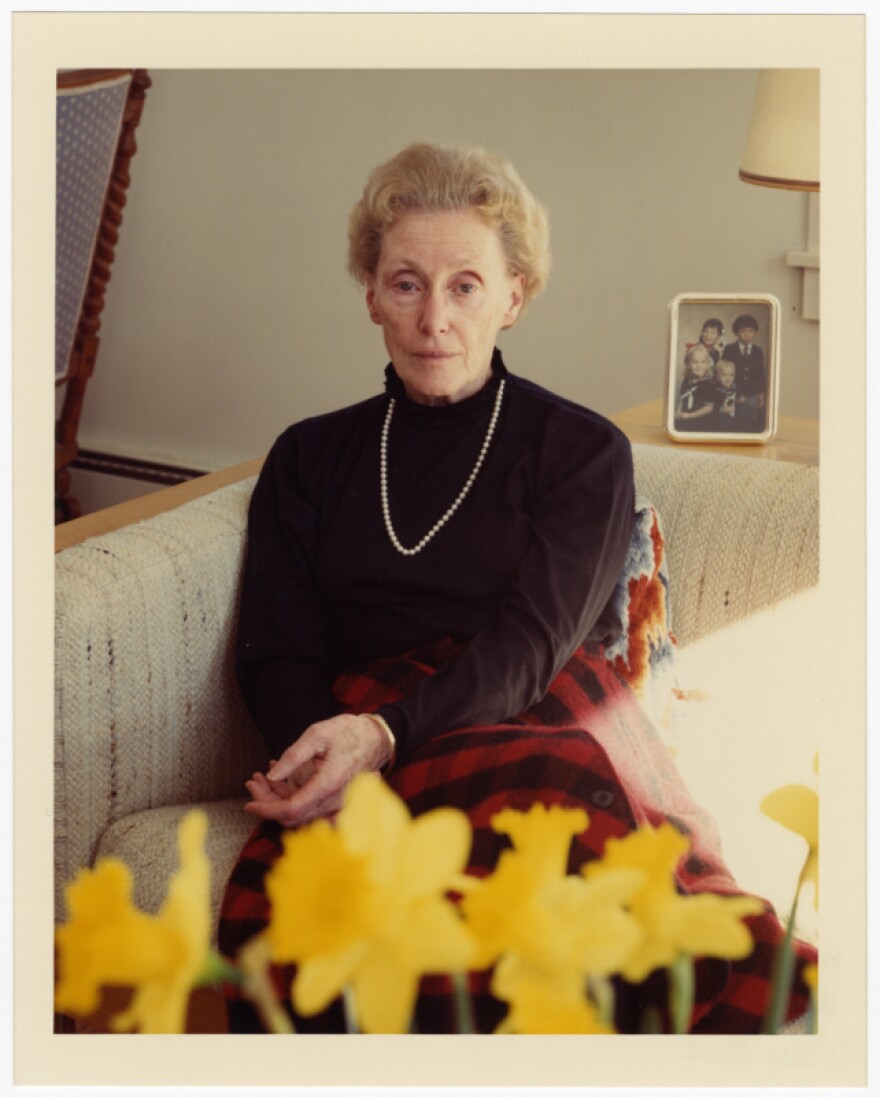
Marion Pritchard
German Occupation of the Netherlands
Working with the Dutch underground, Marion aided approximately 150 jewish refugees. She used her connections at the Amsterdam School of Social Work to find and train families that could conceal children and families. She shuttled children from family to family and place to place. She registered babies as her own kids to hide their jewish ancestry. The Landelijke Organisitie helped her supply food for families in hiding. And she used her connections with the resistance to supply ration cards and false identification papers for adults. As the situation got worse, she was required to do more dangerous tasks. Such as delivering packages to the northern part of the country. During one of these dispatches, she became responsible for a displaced child, and upon arriving at her destination found out that the recipients of her package had been arrested, leaving her stranded. She was forced to take refuge with a stranger to protect both her and the baby. Much of her activities revolved around protecting children, who she felt suffered more because they “… didn’t have the words to mourn…” the family they lost.
Fred Polak and his three children…
Most significantly, she helped hide Fred Polak and his three children at a house in the Dutch countryside. The Nazi’s, along with a Dutch collaborator, came looking for the hidden family, but were unsuccessful in finding them, as they had a designated hiding spot. But when the Dutch collaborator came back thirty minutes later, after the children had left their hiding spot, Marion shot him with a revolver she was gifted by an associate in the resistance. She had no desire to kill him, but worried that he would inform the authorities of the Polak families whereabouts. The Polak family survived the war because of her protection. Marion stated that she didn’t regret shooting the police officer, and would do it again under the same circumstances, but still felt unsure about the killing, having been raised religiously. Despite adhering to the faith, “…by 1945, I had lied, stolen, cheated, deceived and even killed.”
Aftermath of the war
By the end of the war 75 - 80% of the Netherlands jewish population had been or murdered. And of the 107,000 Dutch jews deported to concentration camps, only 5,200 survived. Marion herself was not a subject of the terror of the Holocaust, but when it came time to take action, she was proactive in protecting those in society who need it most, children. At a young age she put herself in danger to help families in need. Many believe that resistance doesn’t matter, and doesn’t change anything. Marion saving the lives of jewish children and families during the war serves as a reminder that standing in opposition to injustice is a choice that we can all get to make.
Post-War Life
After the war, Marion joined the United Nations Relief and Rehabilitation (UNNRA). She worked in social services at Föhrenwald and Windsheim, aiding individuals displaced by the war. There, she met Anton Pritchard, an American soldier who was also volunteering with the UNNRA, and they eventually married, moving to the United States and settling in Boston, Massachusetts. In 1981, she was named one of the Righteous Among the Nations by Yad Vashem in Jerusalem. She spent the rest of her life as a practicing psychoanalyst, and was awarded the Wallenberg Medal in 1992 for her actions during the Holocaust.
Sources
Burns, Marsha. “Marion Pritchard, Dutch savior” The International Raoul Wallenberg Foundation. Accessed April 24th, 2026. https://www.raoulwallenberg.net/saviors/others/marion-pritchard-dutch-savior/. Marion Prichard, interview by Marsha French, September 19th, 1984, transcript, United States Holocaust Memorial Museum. Accessed April 24, 2026. https://collections.ushmm.org/search/catalog/irn510800. A Mighty Girl Staff, “The Dutch Resister Who Lied, Stole, and Even Killed” to Save the Lives of 150 Jewish Children During WWII”, A Mighty Girl. Accessed April 24th, 2026. https://www.amightygirl.com/blog?p=27345